
"19 years"
5000 article(s) found
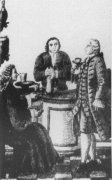
The Development of World Coffee in World History 2
The first European description of coffee in 1573 was through German doctors staying in Syria. In the second half of the 16th century, the European people who traveled on the east coast of the land gradually spread. The British East India Company was established in 1660 and the East India Company was established in the Netherlands in 1602. The East India Company refers to the trade between Asia and Europe, South Asia and the East in the 17th and 19th centuries.

Coffee planting conditions Coffee planting techniques in China
In the 19th century, coffee was grown almost all over the country, followed by a coffee boom that lasted nearly a century. The extensive cultivation of coffee has brought wealth and prosperity to Brazil. At the beginning of the 20th century, Brazil accounted for more than 75% of the world's total coffee production, thus winning the reputation of the coffee kingdom. Coffee is one of the important pillars of Brazil's national economy. The whole country

Korean cafe disinfectant epidemic prevention materials are used as syrup customers complain after drinking
Since the outbreak of the COVID-19 epidemic, people have gradually become more aware of epidemic prevention, and wearing masks has become a daily routine. Every household is filled with supplies such as medical alcohol, 84 disinfectant and hand-free disinfectant. Many coffee shops offer free syrup, but recently there has been a fight in South Korea.

What are the suggestions for baking beans in St. Roman Manor?
For professional baristas, please follow the coffee workshop (Wechat official account cafe_style) WEST VALLEY West Valley, the first farmer to settle in the 19th century and bring coffee. The region is divided into six subregions around the urban centres of San Ramon, Palmares, Naranjo, Greece, Sarchi and Artenas. There is a specific coffee variety in Sarchi called Villa Sa.

What is WCE? 2021 WBC, WBrC Milan World Coffee Championships Taipei postponed
In what ways do we learn about coffee? Editors usually get first-hand information about coffee competitions from WCE (world coffee events). On July 19th, the website announced the latest news of the 2021 Milan World Coffee Championship and Taipei WCC: the Fine Coffee Association (SCA) announced that the 2021 Milan World Coffee Championship

Fine Coffee Science explains the spread History of Coffee in detail (2)
The first European description of coffee in 1573 was through German doctors staying in Syria. In the second half of the 16th century, the European people who traveled on the east coast of the land gradually spread. The British East India Company was established in 1660 and the East India Company was established in the Netherlands in 1602. The East India Company refers to the trade between Asia and Europe, South Asia and the East in the 17th and 19th centuries.

Characteristics of Puerto Rican coffee beans in San Pedro Manor
Professional coffee knowledge exchange more coffee bean information please follow the coffee workshop (Wechat official account cafe_style) the whole history of coffee in the Caribbean has a lot to do with the Spanish reclamation, coffee was not that important in the 18th century, the main task was to grow sugar-producing crops in the fertile valleys, and in the early 19th century (1800) the French territories were in turmoil in Europe.
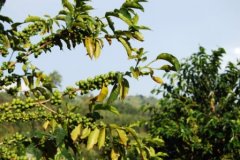
Kenyan coffee boutique coffee delicious African coffee
Coffee entered Kenya in the 19th century, when Ethiopian coffee drinks were imported into Kenya through southern Yemen. But it was not until the early 20th century that the Bourbon Coffee Tree was created by the St. Austen Mission (St). AustinMission) is introduced. Kenyan coffee is mostly grown at an altitude of 1500 to 2100 meters and is harvested twice a year. To ensure that only ripe berries are picked, people must be in the forest

Characteristics of Kenyan Coffee beans Fine Coffee
Coffee entered Kenya in the 19th century, when Ethiopian coffee drinks were imported into Kenya through southern Yemen. But it was not until the early 20th century that the Bourbon Coffee Tree was created by the St. Austen Mission (St). AustinMission) is introduced. Kenyan coffee is mostly grown at an altitude of 1500 to 2100 meters and is harvested twice a year. To ensure that only ripe berries are picked, people must be in the forest

Characteristics of Kenyan Coffee beans Fine Coffee
Coffee entered Kenya in the 19th century, when Ethiopian coffee drinks were imported into Kenya through southern Yemen. But it was not until the early 20th century that the Bourbon Coffee Tree was created by the St. Austen Mission (St). AustinMission) is introduced. Kenyan coffee is mostly grown at an altitude of 1500 to 2100 meters and is harvested twice a year. To ensure that only ripe berries are picked, people must be in the forest

Characteristics of Kenyan Coffee beans Fine Coffee
Coffee entered Kenya in the 19th century, when Ethiopian coffee drinks were imported into Kenya through southern Yemen. But it was not until the early 20th century that the Bourbon Coffee Tree was created by the St. Austen Mission (St). AustinMission) is introduced. Kenyan coffee is mostly grown at an altitude of 1500 to 2100 meters and is harvested twice a year. To ensure that only ripe berries are picked, people must be in the forest

Tiger Mantenin Coffee Flavor and brewing sharing Tiger Mantenin Coffee Bean characteristic Story
Professional coffee knowledge exchange more coffee bean information please follow the coffee workshop (Wechat official account cafe_style) [Tiger Manning KONO hand] filter cup: KONO filter cup water temperature: 88 degrees grinding: small Fuji grinding degree 4 brewing methods: water powder ratio 1:14, 17g powder, the first injection of 25g water, 30s steaming, the second injection to 238g water, extraction time 2:

Puerto Rico Yaoke coffee Puerto Rico San Pedro Manor AA coffee how to drink?
Professional coffee knowledge exchange more coffee bean information please follow the coffee workshop (Wechat official account cafe_style) the whole history of coffee in the Caribbean has a lot to do with the Spanish reclamation, coffee was not so important in the 18th century, the main task was to grow sugar-producing crops in the fertile valleys, the French territories were in turmoil in Europe in the early 19th century (1800).

The History of the spread of Fine Coffee Culture and Common sense Coffee (2)
The first European description of coffee in 1573 was through German doctors staying in Syria. In the second half of the 16th century, the European people who traveled on the east coast of the land gradually spread. The British East India Company was established in 1660 and the East India Company was established in the Netherlands in 1602. The East India Company refers to the trade between Asia and Europe, South Asia and the East in the 17th and 19th centuries.

The History of the spread of Fine Coffee Culture and Common sense Coffee (2)
The first European description of coffee in 1573 was through German doctors staying in Syria. In the second half of the 16th century, the European people who traveled on the east coast of the land gradually spread. The British East India Company was established in 1660 and the East India Company was established in the Netherlands in 1602. The East India Company refers to the trade between Asia and Europe, South Asia and the East in the 17th and 19th centuries.

Guayama: the birthplace of Puerto Rican culture
Following Cafe (Wechat official account vdailycom) found that the Beautiful Cafe opened a small shop of its own, Guayama: Guayama, the birthplace of Puerto Rican culture, is located on the Caribbean coast, giving birth to many artists and musicians. Composer Catalino was born here. He wrote many famous songs and spread widely. In the 20th century, the African-American Andy Lano school

To get everyone to drink coffee! Coffee bean transportation will return to the era of great navigation?!
Since the epidemic of COVID-19, people's awareness of environmental protection has become stronger and stronger. Even drinking a cup of coffee begins to pay attention to whether it is organic, whether it is environmentally friendly, and whether the process from raw beans to coffee liquid has excessive carbon emissions. It is well known that most coffee beans consume fuel, while coffee producers and consumers

Characteristics of Kenyan coffee beans Kenyan coffee beans
Coffee entered Kenya in the 19th century, when Ethiopian coffee drinks were imported into Kenya through southern Yemen. But it was not until the early 20th century that the Bourbon Coffee Tree was created by the St. Austen Mission (St). AustinMission) is introduced. Kenyan coffee is mostly grown at an altitude of 1500 to 2100 meters and is harvested twice a year. To ensure that only ripe berries are picked, people must be in the forest

Characteristics of Kenyan coffee beans Kenyan coffee beans
Coffee entered Kenya in the 19th century, when Ethiopian coffee drinks were imported into Kenya through southern Yemen. But it was not until the early 20th century that the Bourbon Coffee Tree was created by the St. Austen Mission (St). AustinMission) is introduced. Kenyan coffee is mostly grown at an altitude of 1500 to 2100 meters and is harvested twice a year. To ensure that only ripe berries are picked, people must be in the forest

The origin of Kenyan coffee beans boutique coffee
Coffee entered Kenya in the 19th century, when Ethiopian coffee drinks were imported into Kenya through southern Yemen. But it was not until the early 20th century that the Bourbon Coffee Tree was created by the St. Austen Mission (St). AustinMission) is introduced. Kenyan coffee is mostly grown at an altitude of 1500 to 2100 meters and is harvested twice a year. To ensure that only ripe berries are picked, people must be in the forest